
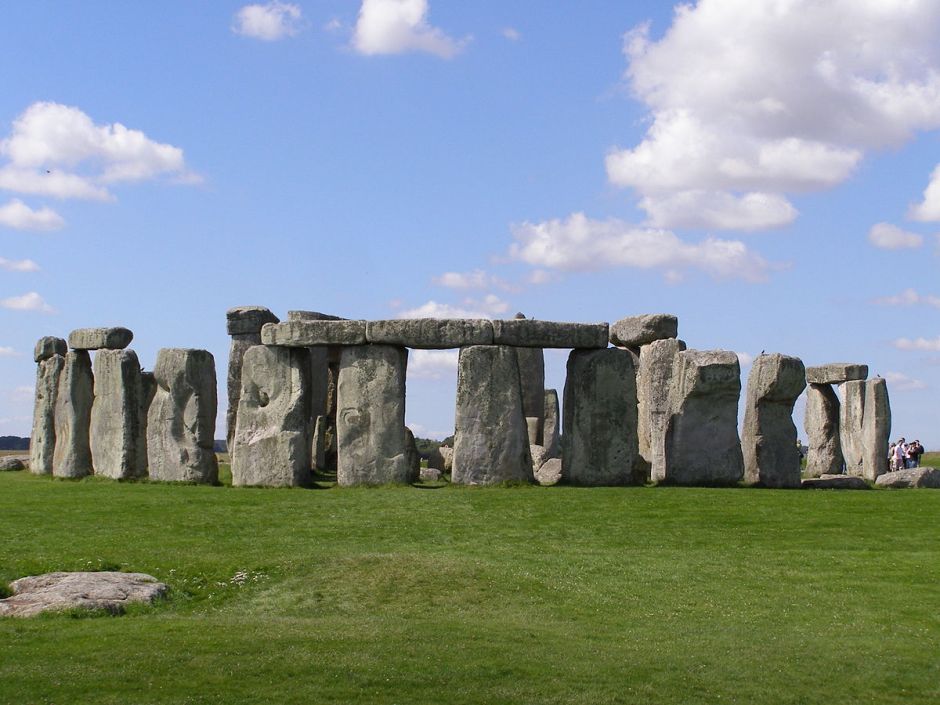
I’d long decided that while in someways I hated subjecting archaeology to the realm of needless hierarchy, UNESCO or The United Nations Educational, Scientific and Cultural Organization was a necessary evil. The list of world heritage sites now comprises of more than 1,000 sites across the world, and the list keeps growing with economically more developed countries obtaining relatively more listings.
When I worked at a UNESCO world heritage site, I believed like many that UNESCO was a privilege bestowed on some of the most important and well-preserved monuments in our history. But, I soon became jaded when I saw the endless tour buses deposit overeager tourists on our doorstep early every morning. There was a plague of invasive tourism that UNESCO bought along with the prestige. Naivety led me to assume that these initiatives unite people in a common effort to protect shared cultural heritage. While that may work in developed countries, the influx of tourists in countries that lacks the infrastructure to support them contributes to the deterioration of many historical (and natural) monuments.
This is what makes UNESCO status divisive; like most things there is a negative side to every positive. While the UNESCO may damage archaeological monuments by promoting tourism, they have spared countless of heritage resources from the bulldozer. We should care about every world heritage asset not only only our own. There is more to culture and our heritage than DNA, we construct our identities from stories, objects and buildings that conjure up our ancestors’ past: their glories, tragedies, or simply their day-to-day lives. So when Penny Mordaunt suggested pulling out from UNESCO due to budgetary concerns, it felt like a betrayal not only to our national past, but the world’s collective identity as people.
Currently UNESCO has no clear guidelines or effective methods to control the commercialisation of world heritage sites, and its talk on sustainability is more a verbal exercise than enforceable. So unsurprisingly when the Trump administration announced its withdrawal from UNESCO, many had cited the reasoning was that it provided no real protection for archaeological and historic treasures.
Of course the reason behind US’s withdrawal from UNESCO was to convey a political message. In October 2011, UNESCO admitted the Palestinian territories to the organization as an independent member-state called Palestine. This triggered a US law which cut off American funding for any organisation that recognised an independent Palestine.
After studying archaeology for years, I’ve learnt that you can never separate politics and heritage, because ultimately heritage relates to people’s identity. Despite what World Jewish Congress (WJC) President Ronald S. Lauder wants you to believe, “In recent years, despite the best efforts of outgoing Director General Irina Bokova, UNESCO has strayed from its mission to preserve history and has allowed itself to become politicised, demonstrating a continuing and disturbing bias against Israel.”
Take a look at other countries such as Egypt, where during a night of riots young activists formed a human chain around the National Museum that borders the square, helping security guards protect the treasures within. In places, where competing political narratives force the public to try and keep hold of their heritage. But it’s crucial to remember that largest part of UNESCO’s budget is spent on education initiatives in developing countries. Leaving UNESCO is not necessarily going to impact the heritage of the UK, but it would definitely convey a message of how disconnected we are with the shared heritage of people around the globe. Political or not.
 Archaeoblog